
How self-employed support helps you stay in control
Better records from the start
We help you build an approach to record-keeping that is easier to maintain.
Expenses checked with care
We review typical sole trader costs so your figures reflect legitimate claims.
Tax bills made easier to follow
We explain what creates the liability and when future payments are likely to fall.
Accounting that makes sole trader figures usable
When you're self-employed, good records do more than support a tax return. They show what your work is earning, what your business is costing and what you may need to set aside for tax. We help sole traders and other self-employed people organise income and expense records, prepare accounts and translate the figures into the right tax return entries. If you're just starting out, we can also clarify registration, the first accounting period and the practical records to keep from day one, so your business starts on a more orderly footing.
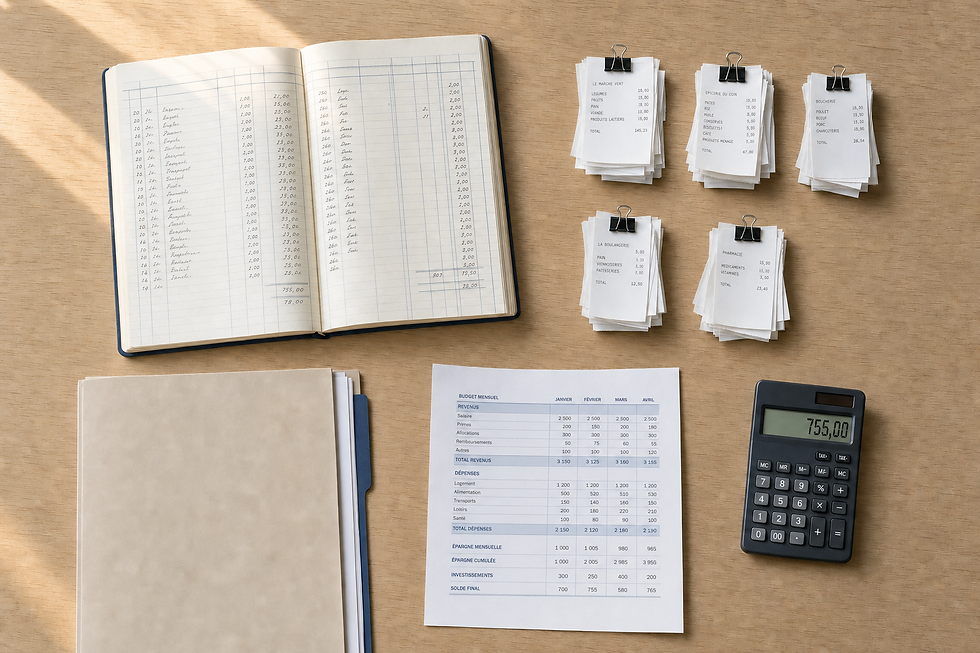

From expenses to liabilities, explained clearly
We review common allowable costs such as business travel, equipment, software, insurance, professional fees, marketing and legitimate home-working expenses, then show how they affect profit. We also explain the main calculations behind Income Tax, National Insurance, payments on account and the treatment of trading losses. With clear records in place, you're better able to monitor profit, prepare for tax payments and answer HMRC questions without searching through scattered paperwork.
Frequently asked questions
What records should a self-employed person keep?
You should keep clear records of sales, invoices, receipts, bank transactions and business expenses, together with notes that explain mixed-use or home-working costs. We show you what matters for both day-to-day tracking and year-end tax reporting, so your records stay useful.
Can you help if I'm newly self-employed?
Yes. We can explain registration, what counts as business income, which expenses may be allowable and what information to collect during your first accounting period. That early structure often prevents problems later, especially when the first return and tax payment dates arrive.
How do trading losses affect tax?
A trading loss does not always mean the figures are unusable. Depending on the circumstances, it may affect current or future tax positions in different ways. We review the records, explain the treatment available and show how the loss fits into the wider picture for the year.